By Preeti Vasishtha
An ice cream truck was making its rounds through my neighborhood as I returned home from work one afternoon in June. School was out. Pools were crowded. Children were playing and riding bikes. The forecast called for afternoon thunderstorms—nothing out of the ordinary for a summer day. Few could have imagined what would happen next.
Within 30 minutes, uprooted trees blocked roads, crushed cars, damaged homes, and left thousands of nearby residents without power.
The photos accompanying this note capture only a fraction of the storm’s aftermath. According to a National Weather Service survey, the destruction was caused by severe thunderstorm downburst winds that topped 90 mph—comparable to a low-end EF1 tornado. Insurers classify events like this as severe convective storms (SCS)—a category that includes damaging straight-line winds, hail, tornadoes, and intense thunderstorms.
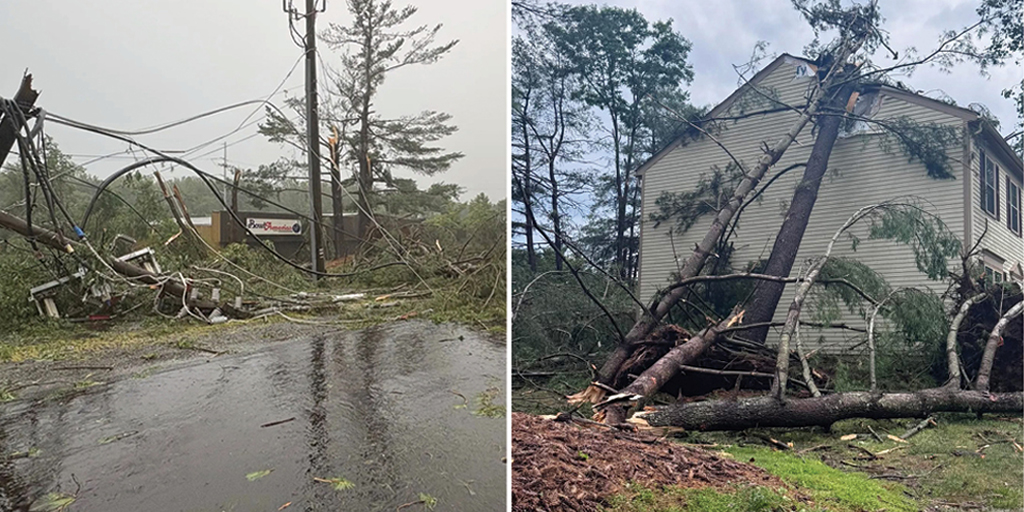
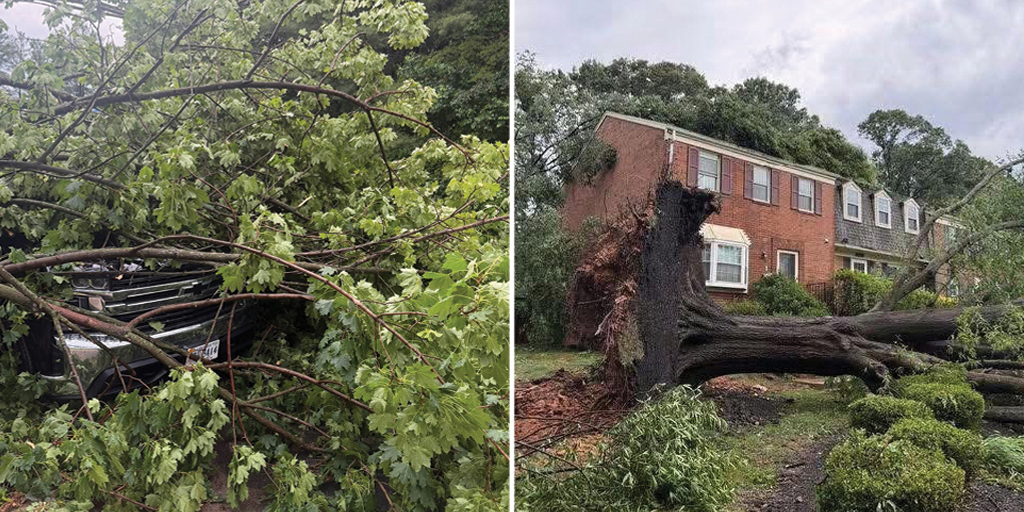
The storm lasted less than a minute, but the recovery stretched on for weeks. World Central Kitchen provided meals to residents, while neighbors organized GoFundMe campaigns and other efforts to support affected families.
Until then, I hadn’t thought much about the difference between a thunderstorm and a severe convective storm. Seeing firsthand the devastation those winds could cause brought this issue’s cover story, “Convective Convergence,” much closer to home. It examines why severe convective storms have evolved from so-called secondary perils into some of the costliest weather events facing insurers. It also explains why they’re challenging long-held views about where significant weather losses can occur—and how insurers and actuaries are responding.
Other articles in this issue raise similar questions, each demonstrating the value of actuarial thinking as assumptions shift, data evolves, and new risks emerge. “Hard to Reach” examines how limited access to health care and sparse data in rural communities make it more difficult to assess risk and design effective coverage, while “The Roth Question” explores how actuarial modeling can guide one of retirement’s most important financial decisions.
I still think about that storm. It arrived on what seemed like an otherwise ordinary summer day and, in less than a minute, changed lives in a nearby community. It reminded me how quickly certainty can give way to uncertainty—and how differently we see risk once it touches our own lives. That same idea runs through the stories in this issue, inviting us to question our assumptions. Sometimes the most ordinary days bring the most extraordinary consequences.
I hope you enjoy the issue.
Before you turn the page, a couple of quick updates. I’m pleased to share that Contingencies recently received two 2026 APEX Awards of Excellence, earning honors in the Covers and Most Improved categories. We’re also looking for a new puzzle writer. If you’re interested—or know someone who might be—the details are here.
Preeti Vasishtha is editor-in-chief, Contingencies, and the Academy’s director of content.