Q&A: Connecting Health Actuarial Expertise With Policymakers’ Needs
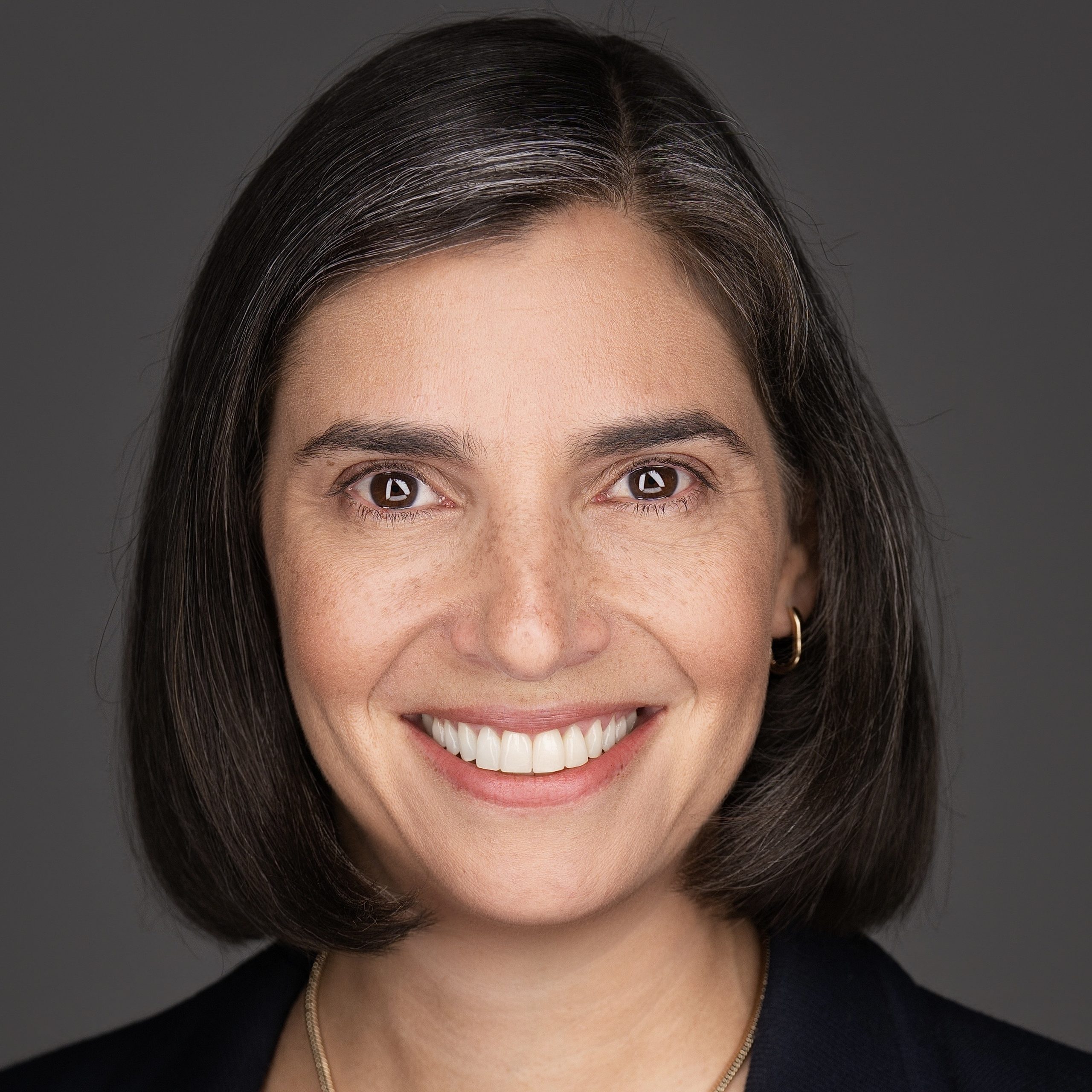
This summer, the Academy hired two staff actuaries, in the health and life & risk management practice areas—part of its strategic investment in what will be four full-time, in-house actuaries to deepen member and stakeholder value and benefit Academy work in policy and professionalism.
Julia Lerche started as Director and Actuary, Public Policy, Health, in late July. Her actuarial background includes extensive public and private roles, as well as multiple Academy volunteer roles. She served as a member-selected director, chairing the Board’s DEI Committee and the Health Practice Council’s (HPC) Medicaid Committee, and was co-vice chairperson of the HPC. At the North Carolina Department of Health and Human Services, she was instrumental in designing and implementing Medicaid managed care and program innovations as chief strategy officer and chief actuary for NC Medicaid, and worked with the N.C. Department of Insurance, leading implementation of the Affordable Care Act (ACA).
HealthCheck spoke with Lerche about her new role at the Academy.
You’ve already represented the Academy at several events, including the NAIC Summer Meeting, the Academy’s September retirement symposium, and meetings of both the National Academy of State Health Policy and National Association of Medicaid Directors. How are your interactions going with the Academy’s many stakeholders—and what are you hearing from them?
Since starting at the Academy in late July, I’ve had the opportunity to attend several conferences and introductory meetings with federal agencies and health policy organizations. Given the significant programmatic changes happening in health care and the scope of health care within the overall economy, stakeholders have helped identify many opportunities for the Academy to contribute in the health policy space. Health policy stakeholders are focused on facing the challenges of ongoing program changes, cost pressures, and complexities within the system.
State budget pressures, and leadership turnover following the election (including at least 18 newly elected governors) will deepen the need for education on the basics of health care markets, cost drivers, rate setting, risk adjustment, provider payment, financing, and other relevant topics. As a result of what we are hearing from stakeholders, the HPC is considering focusing volunteer efforts on the “back to basics” series next year, advancing an effort that was initially conceived after feedback from policy experts at the Fall 2025 HPC planning meeting. This will also help bring many opportunities for new volunteers to contribute to Academy work products. Members should reach out if they are interested in helping out with this effort..
You have an extensive health background, including work with the ACA and Medicaid. From a big-picture perspective, what are some of the HPC’s priorities that you’re already involved with?
In my first month with the Academy, I met with the chairs and vice chairs of each of the HPC committees to understand their interests and priority projects. I’ve also been meeting with key stakeholders engaged in federal and state health policy to identify opportunities for actuarial input, so we can best match requests from stakeholders with our expert volunteers.
Because are several changes to Medicaid that directly involve actuaries, I have been working to find ways for the Academy to plug into discussions on new requirements that federal actuaries sign off on budget neutrality calculations for Medicaid demonstration projects, and proposed requirements that actuaries certify comparisons of Medicaid managed care state directed payments to Medicare rates. I’ve also been supporting our individual and small group committee with their annual premium drivers paper and webinar.

How do you want to work with volunteer members so their expertise reaches the right people at the right time?
From my own volunteer experience with the Academy, I understand both the opportunities and challenges involved in volunteer roles. Volunteers want to make an impact and contribute to the Academy’s mission to provide balanced and objective information to support policymakers and the profession, but many volunteers also have day jobs they need to balance. In this role, I hope to find more opportunities for volunteers to engage directly with individuals developing and implementing policies with an actuarial dimension. I personally found those opportunities to be rewarding as a volunteer, and having actuaries at the table will help strengthen both the policies being developed and the reputation of the profession.
What does a successful relationship with a regulator or policymaker look like to you a year from now—and what would that mean for Academy members?
If we are successful in being viewed as a trusted objective resource by regulators and policymakers, it will bring more opportunities for our volunteers to inform and provide input on health policy issues with an actuarial dimension. Fostering and building relationships with regulators and policymakers also helps reinforce the value of the actuarial profession broadly.
What health policy issues do you expect to need the most actuarial attention in 2027? For example, Medicaid eligibility and work requirement changes, changes to ACA marketplace subsidies, Medicare solvency, and drug pricing and high-cost therapies such as GLP-1s.
The rising cost of health care is top of mind for many families, employers and policymakers. Policy changes across the markets can impact access to coverage, provider reimbursement, state and federal budgets, and household financials. Due to the interconnectedness of health care markets, health actuaries will need to consider the impact of shifts in enrollment and provider payments in much of their work.
By providing information on the drivers of health care costs and helping evaluate potential solutions for addressing those drivers, actuaries can assist payers and policymakers evaluate approaches to ensure that we all get the most value out of our health care dollars and support sustainability of public and private programs.
Additionally, stakeholders have indicated a need for more education around actuarial concepts such as premium development approaches, risk pools, adverse selection, and actuarial soundness to provide a foundation for assessing policies.
Are there audiences or venues where you’d like the Academy to have a stronger presence in 2027—and how can members help?
I have been working with the HPC to identify and prioritize key stakeholders for outreach. There are many organizations that inform and support health policy. If there are opportunities to partner with the organizations that are already reaching our target audience through speaking opportunities, participation in roundtables, or providing actuarial input on their work products; we can make efficient use of our volunteers’ time with the potential to broaden our reach. For example, the National Academy for State Health Policy is already connected to many state and federal regulators and policymakers, so if we can partner with them to both inform their work products and bring visibility to the value of Academy engagement, it’s a win-win.
Academy members who are working with regulators and others in the health policy community can assist with building awareness of the Academy’s role in informing health policy and connecting stakeholders to our work. Members should feel free to reach out to me if they see a need for Academy input on a health policy issue. I’d love to hear from you!
Webinar Examines 2027 Premium Drivers
A Nov. 5 webinar moderated by Julia Lerche featured presenters from the Individual and Small Group Markets Committee who offered insight into the key factors influencing 2027 health premiums. The HPC will release a related issue brief soon. Watch a webinar replay, free for Academy members, on Academy Learning.
VP Corner
A Healthy Look Ahead
Annette James, Vice President, Health
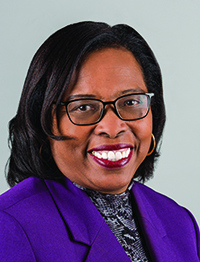
The busy 2026 for the Health Practice Council (HPC) continues as the year winds down. As I am wrapping up my two-year tenure as Academy Health Vice President, I would like to start by saying working with all of the dedicated and engaged committee chairs and volunteers within the HPC and across the Academy have made the role exciting, and challenging!
The Academy and the HPC are thrilled that Julia Lerche has joined the Academy as a Director and Health Actuary. Julia has been a very active HPC volunteer for years, and as you can see from her Q&A at the start of this issue, has a great background and lots of good ideas for this important new Academy role and position. She has already represented the Academy at multiple events, including the recently concluded NAIC Fall Meeting in Dallas.
Speaking of the NAIC, I was also happy to represent the Academy at the meeting, sharing the Academy’s annual update on the 2027 health insurance premium drivers within the individual and small group markets, including the HPC’s new issue brief, infographic, and our recent webinar addressing this important subject.
I would also like to congratulate and welcome Susan Pantely as the Academy’s next health vice president! Like Julia, Susan—who has been HPC co-vice chairperson this year—has a great deal of HPC volunteering experience and represented the Academy very well this past May in Texas, when she shared the actuarial perspective on health care affordability and the value of understanding risk pools, cost drivers, and the interconnectedness of the broader health insurance market.
Finally, I would like to say it’s been a great pleasure to have served for the last two years as the Academy’s health vice president and chairperson of the HPC. Helping set up the HPC’s 2023 Health Equity Symposium before the start of my tenure as VP, and efforts in that area since then; supporting our ongoing Broadening the Focus work; participating in Hill visits; the HPC’s more than a dozen health webinars and comment letters, policy papers, and issue briefs over the past two years.
The Academy has an important and respected voice among legislative leaders, regulators, policymakers, and our many stakeholders. There’s never been a dull moment in the health area! And I know the HPC will be in good hands with Susan’s leadership.
▶ Volunteers welcome—Including for a new reinsurance subcommittee, the HPC always welcomes new volunteers! If interested, please submit your interest via the Academy’s volunteer contact form.
Susan Pantely Will Be Academy’s Next Health Vice President

Susan Pantely was nominated to be the Academy’s next health vice president, succeeding Annette James. A current co-vice Chairperson of the HPC, Pantely has served on many HPC committees and task forces, including chairing the Behavioral Health Task Force, the Health Care Delivery Committee, and the Prescription Drug Work Group. She has served as a member of the Medicaid Committee, the Surprise Billing Work Group, and the Telehealth Work Group. Pantely also testified for the Academy in a May Texas House hearing on health insurance affordability.
Jamala Arland Nominated as Member-Selected Director

Health volunteer Jamala Arland is among three incoming member-selected directors who will begin three-year terms in December, along with Tyson Mohr (casualty), and Stephen Smith (life). Arland has been chairperson of the HPC’s Long-Term Care (LTC) Committee and was a member of the LTC/Disability Insurance Committee and the Research Committee.
Sara Teppema to Receive OVA
Sara Teppema will receive an Academy Outstanding Volunteerism Award (OVA) next month. Teppema is vice chairperson of the Health Equity Committee and was a key planner of the HPC’s Broadening the Focus Virtual Summit earlier this year. She has been on many HPC committees and work groups, including the LTC Committee and the Health Care Delivery Committee.

▶ Free Livestream for Dec. 10 Governance Transition—The new Board will begin its term with the Academy’s Dec. 10 Leadership Summit & Governance Transition. This special event will include a day of leadership-focused learning, a post-midterm election update, the Academy’s annual meeting featuring remarks by the current and incoming Academy presidents, and a celebration of 2026 Academy award recipients. Members may register for a free livestream.
Academy Speakers Present on Health Issues
Academy staff and volunteers presented at recent educational and professionalism events.
▶ Academy Director and Health Actuary Julia Lerche and Medicare Committee Chairperson Derek Skoog joined a livestream of the North Valley (Calif.) EA Study Group, delivering two presentations on Nov. 12. Lerche provided a lens on Affordable Care Act (ACA) developments via the Academy’s analysis of 2027 premium drivers, while Skoog discussed takeaways from the 2026 Medicare Trustees Report.
▶ Lerche presented “From Classroom to Career: Becoming an Actuary” to actuarial science students at Appalachian State University on Oct. 8. She gave students an introduction to the Academy and what actuarial science is, different types of insurance, the actuarial examination process and preparation, and actuarial career paths. For more resources, visit the Academy’s Student Resources webpage.
▶ Actuarial Standards Board Health Committee Chairperson Audrey Halvorson virtually presented “ASOPs for Health Actuaries” to an Oct. 26 multi-state meeting of the Health Care Service Corporation. She provided an overview of health ASOPs, including those related to rating and reserving, and shared about the benefits of leveraging Academy resources like the Applicability Guidelines.
▶ Academy Director and Health Equity Chairperson Becky Sheppard presented virtually on Aug. 26 to a working group of the National Produce Prescription Collective (NPPC) about the Health Practice Council’s Broadening the Focus initiative. NPPC is a national network of stakeholder organizations that convene to advance the use of produce prescriptions to improve health.
Speakers Bureau—The Academy provides speakers to actuarial clubs, employers, and educational entities. Contact the Speakers Bureau for qualified speakers on professionalism and public policy topics.
Academy, HPC Present at NAIC Fall Meeting
At the Nov. 14–17 NAIC Fall Meeting, Academy volunteer and staff leadership will be onsite with practice-area councils presenting updates on their respective activities, and the Academy gave professionalism updates to NAIC practice-area task forces, including the Health Actuarial (B) Task Force (HATF).
Health Vice President Annette James and Senior Health Actuary Julia Lerche presented updates to HATF on recent HPC activity, including work on 2027 health insurance premium drivers.
Professionalism presentations included Academy President Tricia Matson and Committee on Qualifications member Linda Lankowski onsite, with virtual presentations by Actuarial Standards Board (ASB) Chairperson Laura Hanson and Actuarial Board for Counseling and Discipline (ABCD) Chairperson William Hines.
Issue Brief Examines Medicare’s Financial Condition
An issue brief, Medicare’s Financial Condition: Beyond Actuarial Balance, offers HPC analysis of the annual Medicare Trustees Report released earlier this year. Its key points note that corrective action remains necessary and delay risks larger future burdens.
▶ Academy Learning: Oct. 6 Webinar—A related Oct. 6 webinar, Medicare 2026 in Focus: Policy, Practice, and Emerging Trends, include analysis and policy implications from the Medicare Trustees Report. Watch a replay on Academy Learning.
Academy Holds Successful LHQ Seminar
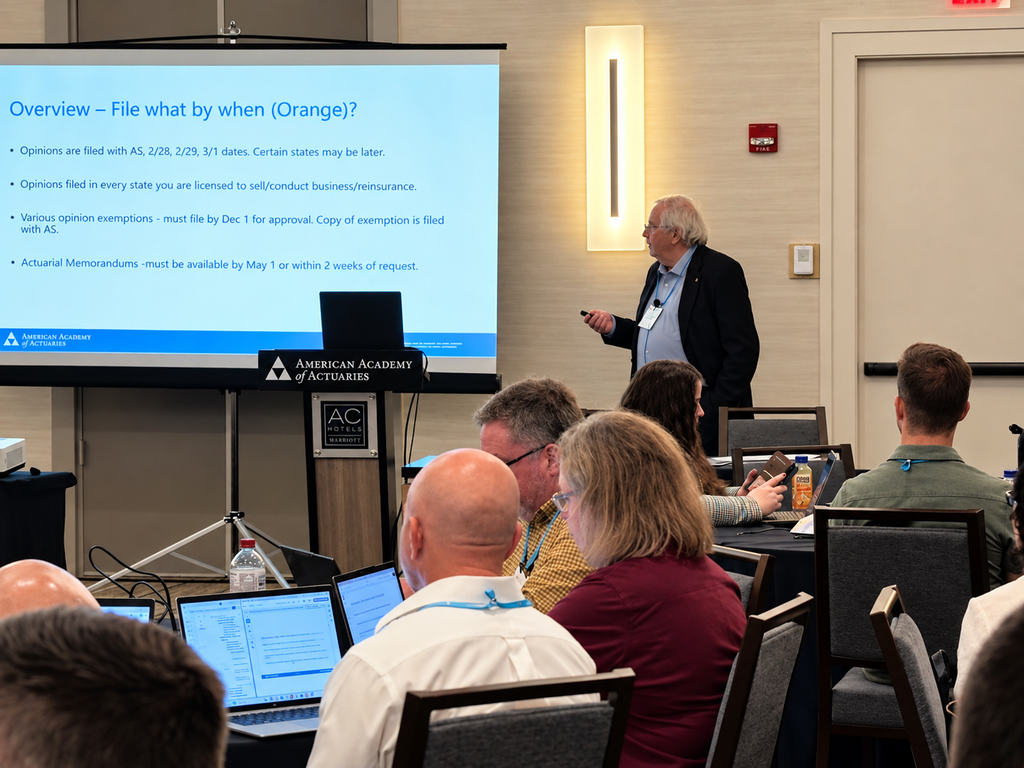
The Academy held a sold-out Life and Health Qualifications Seminar in late September in Arlington, Va. The annual seminar remains a great way to achieve basic or CE needed to qualify to issue actuarial opinions for the NAIC Life and Accident & Health (A&H) Annual Statement or the NAIC Health Annual Statement.
The annual LHQ Seminar was held earlier than in past years, based on attendee feedback. Past President Darell Knapp, who led the seminar committee-planning, said “The true highlight of this year’s seminar was the remarkable attention and dedication shown by attendees as they navigated complex statutory and qualification topics throughout the week. We owe a tremendous debt of gratitude to our esteemed LHQ Seminar faculty whose time, knowledge, and commitment to the profession made this successful educational experience possible.”
Highlights From
HealthCheck

Prefer to watch your news? Check out this “Highlights From HealthCheck” video for a quick recap of what you need to know.
Renew Your Academy Membership for 2027
It’s time to renew your Academy membership for 2027 if you haven’t already done so. Your continued membership unlocks benefits that fulfill your CE needs and offer cost-effective resources, opportunities to volunteer, and a professionalism and public policy framework that reinforce credibility, serve the public, and strengthen the entire U.S. actuarial profession. Email [email protected] with questions about renewing or related member inquiries. To conveniently pay your dues by Jan. 1, 2027, log in to your member account.
Explore How AI Could Change Health Insurance Advice

In the October Contingencies web exclusive, Khris Dai writes that as open enrollment nears, many consumers are turning to AI for health plan advice. A new benchmark finds those recommendations are becoming more accurate, raising questions about the implications for risk pools and the rules governing insurance advice.
Health Paper Shines Light on GLP-1 Drugs
A Health Care Delivery Committee policy paper explores issues surrounding coverage of popular GLP-1 medications, including cost considerations and the potential for savings offsets, stakeholder dynamics, and health equity concerns. It offers an actuarial perspective on coverage decisions.
▶ Learn more in Contingencies, Actuary Voices—Explore the July/August Contingencies feature story on how GLP-1s are affecting health care, costs, and coverage, and listen to the June 25 Actuary Voices podcast on what their growing use means for actuaries and insurers
Health News in Brief
The Climate Change Joint Committee presented at the virtual SOA Health Meeting, offering a health insurance company case study based on its recent policy paper, Climate Scenario Considerations: ORSA.
The HPC responded to a question from a member of the Texas House Select Committee on Health Care Affordability, before which the Academy testified earlier this year.
The Medicaid Committee submitted comments on the Centers for Medicare & Medicaid Services’ (CMS) proposed Medicaid managed care state-directed payments and Medicaid fee-for-service targeted practitioner payment proposed rule.
Individual and Small Group Markets Committee Chairperson Jason Karcher and the Academy were cited in a Congressional Budget Office report, Health Insurance Options for Small Businesses.
The HPC submitted comments on ASOP No. 45, The Use of Health Status-Based Risk Adjustment Methodologies, and comments on ASOP No. 49, Medicaid Managed Care Capitation Rates.
Academy in the News
HPC Co-Vice Chairperson and incoming Health Vice President Susan Pantely spoke about assessing the value of GLP-1s with the Healthcare Financial Management Association.
Legislative/
Regulatory Activity
Federal
The White House issued an executive order revamping the federal government’s vaccine recommendations, directing federal agencies to reduce the number of recommended vaccines children get and to spread the shots out over more doctors’ appointments.
President Trump announced nine new agreements with pharmaceutical manufacturers to lower prescription drug prices for Americans in line with the lowest prices paid by other developed nations. Such agreements now cover 89% of the branded drug market, according to the White House.
The Trump administration announced it was pausing more than $1 billion in Medicaid payments to California and Minnesota as part of its crackdown on alleged fraud in federal programs.
CMS issued a final rule prohibiting the use of federal funds for Medicaid and the Children’s Health Insurance Program (CHIP) to be spent on gender-affirming health care procedures for children, effective Oct. 13, 2026.
CMS announced the conclusion of the Medicare Part D Premium Stabilization Demonstration, a voluntary demonstration for standalone prescription drug plans implemented in 2025 to address volatility and variation in standalone premiums following benefit changes mandated by the Inflation Reduction Act. The demonstration program was discontinued as of 2026, returning the program to traditional market conditions in 2027.
The federal D.C. Circuit Court of Appeals ruled in favor of the federal government in a major legal challenge to the 340B drug discount program, blocking drugmakers from unilaterally switching to rebate-based discount models without prior approval from the Secretary of Health and Human Services (HHS).
On July 20, the House passed several health care-related bills, including:
▶ HR 1493, from Rep. Frank Pallone of New Jersey, reauthorizing and improving federal programs related to the prevention, detection, and treatment of traumatic brain injuries.
▶ HR 4541, from Rep. Debbie Wasserman Schultz of Florida, reauthorizing educational resources for early detection of breast cancer.
▶ HR 6238, from Rep. Lauren Underwood of Illinois, authorizing a National Institutes of Health initiative to advance maternal health research, with the goal of reducing preventable causes of maternal mortality and severe maternal morbidity.
▶ HR 1703, from Rep. John Joyce of Pennsylvania, allowing Medicare Part B beneficiaries the option to upgrade their wheelchair.
In July, the Senate’s Health, Education, Labor, and Pensions Committee approved several health-related measures, including:
▶ S 3097, from Committee Chairman Bill Cassidy of Louisiana, asking the HHS Secretary to develop regulations establishing and implementing privacy, security, and breach notification standards for the processing of health information by regulated entities and their service providers.
▶ S 2355, from Sen. Roger Marshall of Kansas, requiring hospitals to post standard charges in a readable format for consumers on the internet.
▶ S 4189, from Sen. Jeanne Shaheen of New Hampshire, aimed at reducing the price of insulin and providing patient protections related to the cost of insulin.
▶ S 3788, from Sen. Rick Scott of Florida, requiring a finished, packaged drug product be labeled with the name and place of business of the original manufacturer (or manufacturers) of each active pharmaceutical ingredient, the original manufacturer of the finished drug product, and the packer or distributor. Active pharmaceutical ingredients must also be labeled with the name and place of business of their original manufacturers.
▶ S 3794, from Sen. Jim Banks of Indiana, providing for increased oversight of drug compounding and imposing limits on compounded drugs that are essentially copies of commercially available drugs.
▶ S 380, from Sen. Maggie Hassan of New Hampshire, creating and expanding federal grant programs within the Health Resources and Services Administration to increase access to emergency obstetric health services in rural areas. The House Energy and Commerce Committee approved HR 9393, legislation offered by Committee Chairman Bret Guthrie of Kentucky requiring hospitals, insurers, pharmacy benefit managers, clinical labs, and imaging providers to publicly disclose prices and negotiated rates.
The House Energy and Commerce Committee approved HR 9393, legislation offered by Committee Chairman Bret Guthrie of Kentucky requiring hospitals, insurers, pharmacy benefit managers, clinical labs, and imaging providers to publicly disclose prices and negotiated rates.
State
The New York State Department of Fiscal Services published the approved 2027 individual and small group health insurance rates. The Department approved an average 6% increase in the individual market rates for 2027 and an 8% increase in the small group market.
California Gov. Gavin Newsom signed the following bills:
▶ AB 1907, requiring the California Health Benefit Exchange to enroll individuals eligible for financial assistance into specified plans upon receiving an electronic account or complete application, as of July 1, 2027.
▶ AB 2161, revising Medi-Cal work or community-engagement eligibility rules to require counties to resolve conflicting data before adverse action and continue coverage for otherwise eligible renewing beneficiaries during the verification and 30-day response periods.
Delaware Gov. Matt Meyer signed the following measures into law:
▶ SB 1, requiring insurers offering commercial individual or group health plans to spend at least 11.5% of total medical costs on primary care beginning in 2026, including 5% through prospective management payments.
▶ SB 334, requiring insurers, pharmacy benefit managers (PBMs), and dental plans to use uniform credentialing standards for health care professionals, including designated applications, beginning Jan. 1, 2028.
▶ SB 271, requiring PBMs to comply with strengthened audit, reimbursement-appeal, prior-authorization, reporting, and contracting requirements and prohibiting specified practices for covered contracts affected six months after enactment.
▶ HB 341, designating the Delaware Health Information Network as the state’s sanctioned provider of health data utility services, in addition to health information exchange services.
Illinois Gov. JB Pritzker signed the following bills:
▶ HB 5001, requiring health insurers to cover breast-cancer screening, notwithstanding otherwise specified age requirements.
▶ SB 3517, mandating group and individual accident-and-health policies issued on or after Jan. 1, 2027, to cover emergency and urgent ground ambulance services with in-network cost sharing.
▶ SB 2886, extending genetic-information privacy protections to biomarkers and biomarker testing and prohibiting insurers from obtaining, using, disclosing, or requiring related information, except as authorized.
▶ HB 5225, authorizing qualified licensed speech-language pathologists to diagnose autism in children under three through Illinois’s Early Intervention Program.
New Jersey Gov. Mikie Sherrill signed S 2260, legislation protecting reproductive health care activity by prohibiting state penalties, interstate enforcement, and criminalizing purposeful interference with related services.
Michigan Gov. Gretchen Whitmer signed HB 4207, revising Michigan’s small-employer health-insurance definitions to make an “eligible employee” include full-time employees working at least 30 hours per week, as well as employees working between 17.5 to 30 hours a week, if the employer elects that standard.
Alaska Gov. Mike Dunleavy signed HB 14, requiring health care insurers to reimburse providers, including behavioral health providers, for telehealth services at the same rate as comparable in-person services.