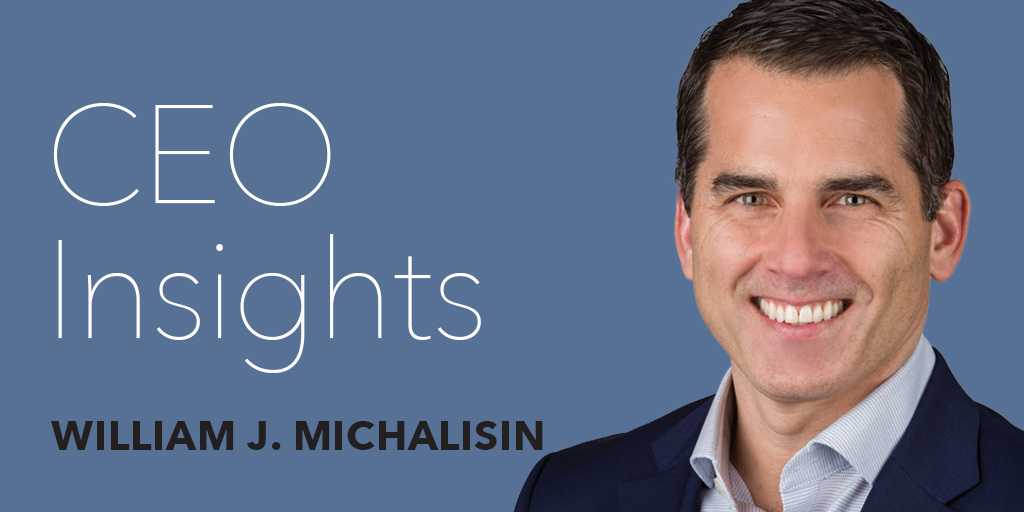
By William J. Michalisin
As the actuarial profession continues to evolve, so too must the knowledge, judgment, and capabilities of those who practice within it. Today’s actuaries operate in an environment shaped by rapid technological advancement, emerging risks, evolving regulatory frameworks, shifting consumer expectations, and growing demands for transparency and accountability. From artificial intelligence and predictive analytics to climate risk, retirement security, insurance access and affordability, cybersecurity, and financial resilience, the issues facing the actuarial profession are increasingly interconnected and complex.
In this environment, continuing education (CE) is not simply a professionalism requirement, it is a professional responsibility. For actuaries practicing in the U.S., continuing education represents an investment in oneself, in the organizations and stakeholders they serve, and in the long-term strength and credibility of the actuarial profession. It is how we sharpen our expertise, deepen our judgment, broaden our perspectives, and ensure we remain prepared to provide objective, trusted, and relevant actuarial insight in a changing world. As actuarial responsibilities continue to develop, ongoing learning also helps ensure actuaries remain equipped to respond to emerging challenges with rigor, relevance, and sound professional judgment.
The U.S. Qualification Standards (USQS) provide an important framework that helps guide this commitment to lifelong learning. While the continuing education requirements establish minimum expectations, they also offer something more meaningful: a reminder of the breadth and depth of knowledge necessary to responsibly practice as a qualified actuary in the United States. Equally important, the USQS reinforce the role of professional judgment. Each actuary must thoughtfully assess what education is appropriate based on their area of practice, evolving responsibilities, emerging issues, and the needs of those who rely on their expertise. Continuing education should not be viewed as a checklist exercise, but rather as a strategic and intentional investment for all practicing actuaries in maintaining competence and expanding capability over time.
In many respects, continuing education serves as a safeguard against professional stagnation, helping actuaries remain adaptable in a business and policy environment that is changing rapidly. It also plays an important role in supporting the profession’s self-regulatory framework. The actuarial profession has long benefited from a system grounded in a code of conduct, professional standards, qualification requirements, peer accountability, and a commitment to serving the public. Maintaining that framework requires ongoing investment, not only in technical knowledge, but also in professionalism, ethics, communication, and emerging competencies that strengthen the profession’s ability to anticipate, adapt, and lead.
That investment matters. It matters to employers who depend on actuaries to navigate uncertainty, manage risk, and provide informed analysis in increasingly dynamic environments. It matters to policymakers, regulators, boards, and consumers who rely on actuarial work to support important financial and societal decisions. And it matters to the broader U.S. actuarial profession, whose reputation depends upon the expertise, integrity, professionalism, and accountability of its members. It also matters to the Academy, which requires all volunteers to comply with the USQS CE requirements as a means to encourage those working on the 300-plus publications and resources developed annually to stay current and professionally competent. It’s also why the Academy added a voluntary CE attestation for members earlier this year, reinforcing the need and importance of investing in our continuing education.
As professionals, we should view continuing education not as an obligation, but as an opportunity. An opportunity to grow. An opportunity to remain relevant. An opportunity to lead. An opportunity to strengthen the value we bring to our employers, clients, policymakers, and the public. And an opportunity to reinforce the future strength, credibility, and impact of the U.S. actuarial profession itself.
Volunteerism as Applied Learning and Leadership Growth
One of the most meaningful ways actuaries can continue learning and growing is through volunteer engagement within the profession. Volunteer service provides opportunities to expand technical expertise and professional capabilities by working on real-world issues impacting society today. Through volunteer opportunities in public policy, professionalism, or membership, actuaries are exposed to emerging risks, evolving regulations, and complex challenges that broaden knowledge and sharpen professional judgment. Volunteering also offers actuaries valuable exposure to cross-disciplinary collaboration and policy discussions that may extend beyond their day-to-day professional responsibilities.
Volunteering helps actuaries strengthen critical soft skills—including communication, collaboration, leadership, strategic thinking, and stakeholder engagement—that are increasingly essential in today’s business and policy environments. In many respects, volunteering serves as experiential continuing education, allowing actuaries to grow as leaders and contributors while helping advance the profession and serve the public, both of which are core to the Academy’s mission. This experience aids actuaries in deepening skills and expertise that benefit their individual performance, the public, and their employers. It also helps cultivate future leaders within the profession by providing opportunities to build consensus, navigate complex issues, and contribute to meaningful public policy discussions. This is one of the many reasons why membership and engagement with the Academy remain so important and why I encourage all members to participate in the annual Call for Volunteers, which opens in August.
Academy Resources and the Expansion of Professional Competence
As the home and voice for U.S. actuarial professionalism and public policy, the Academy is committed to supporting actuaries throughout their professional journey. The Academy’s educational resources are designed to help members remain informed, prepared, and connected to the evolving issues shaping practice and policy in the United States. They help actuaries strengthen the broader competencies increasingly necessary for professional success, including communication, leadership, strategic thinking, public policy awareness, and understanding emerging trends that may shape the future of actuarial practice.
Through Academy Learning, which is the Academy’s learning platform that offers webinars, professionalism content, practice-specific programming, and member-discounted educational opportunities, actuaries have access to a wide range of resources that support technical excellence and professional growth. Many of these programs are available exclusively to Academy members or at a member-discounted rate, reflecting the value of membership and the Academy’s commitment to investing in the continued success of the actuarial profession.
The actuarial profession has earned a high level of trust because of the expertise and professionalism its members bring to their work every day. The continuing education commitment embedded within the USQS helps sustain that trust along with the other professionalism structures, and reinforces the credibility associated with being qualified. Yet, it extends beyond qualification, helping to reinforce and encourage all actuaries to invest in themselves and their knowledge.
As professionals, we should view continuing education not as an obligation, but as an opportunity. An opportunity to grow. An opportunity to remain relevant. An opportunity to lead. An opportunity to strengthen the value we bring to our employers, clients, policymakers, and the public. And an opportunity to reinforce the future strength, credibility, and impact of the U.S. actuarial profession itself.
I encourage every actuary to thoughtfully invest in their continued development, leverage the many educational resources available through the Academy and other actuarial organizations, actively engage through volunteer opportunities, and approach lifelong learning as an essential part of professional excellence and service to the public. The strength and relevance of the actuarial profession will depend not only on what actuaries know today, but on their willingness to continue learning, adapting, contributing, and growing to meet the challenges of tomorrow.
William J. Michalisin is the Academy’s executive director and CEO.