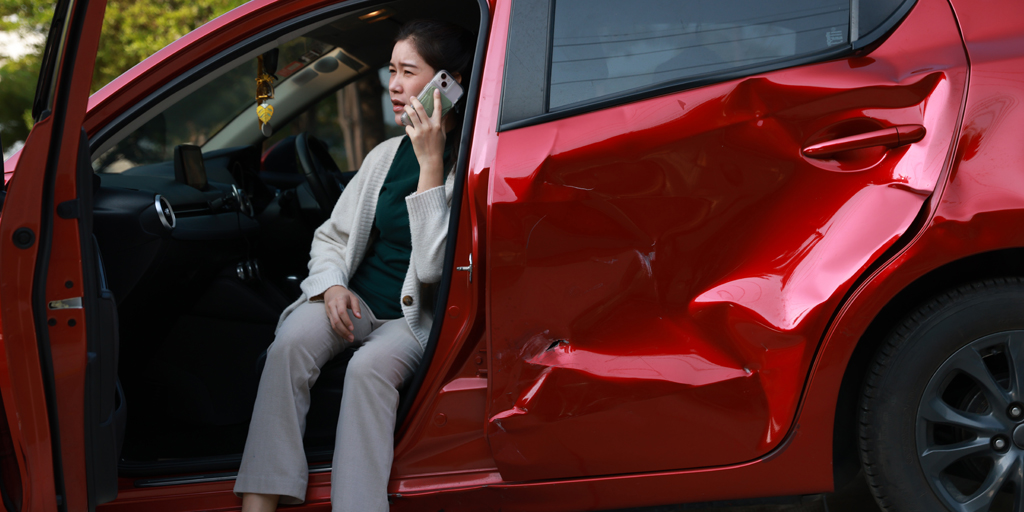
Most people don’t read their insurance policies until something goes wrong. Here’s what you need to know before that happens—and how the actuaries think about the risks most consumers don’t see coming.
By Zora Law
When a homeowner files a claim after a major storm, the last thing they expect to hear is that the damage isn’t covered. Yet that is exactly what happens in many cases—often because the policy excludes flooding, or because the homeowner misunderstood what their coverage included. The result is not just financial strain, but confusion and frustration over a product they believed would protect them.
Many consumers have only a partial understanding of what their policies cover, where the limits lie, and what exclusions may apply. That gap between expectation and reality can be costly.
Property and casualty insurance plays a central role in protecting individuals and families from financial loss—whether from a car accident, damage to a home, or an unexpected liability claim. But the value of that protection depends on how well the policyholder understands it. Knowing what is covered, what is not, and where additional protection may be needed is just as important as having the policy itself.
This article does not attempt to include every feature of personal insurance products. Instead, it highlights several of the most common types of coverage and, more importantly, the areas where consumers are most likely to be caught off guard. By focusing on these gaps and misunderstandings, readers can make more informed decisions about their coverage.
Homeowners

For many homeowners, insurance is something they set up at closing and rarely revisit. It is often seen as a comprehensive safety net that provides protection against whatever might go wrong. But that sense of security can be misleading.
Standard homeowners insurance policies do provide broad protection. They typically cover damage to the home itself, other structures on the property, personal belongings, and liability if someone is injured on the premises. If a fire damages the house, a tree falls on the roof, or a burglary results in stolen property, the policy is designed to help cover the cost of repair or replacement. It may also pay for temporary housing and meals if the home becomes uninhabitable.
Where many homeowners are caught off guard is in the details—particularly what is not covered.
A few major catastrophes—such as flooding and earthquakes—for example, are generally excluded from standard policies. These are not arbitrary omissions. They reflect the underlying risk of large, concentrated losses—events that can affect thousands of homes at once. Actuaries, who analyze risk and help insurers design and price coverage, play a central role in determining how these risks are handled. In many cases, the potential losses are so significant and widespread that they are separated into specialized policies or public-private programs rather than included in a standard homeowners contract.
Even within covered events, the way claims are paid is shaped by these same considerations. Some policies provide replacement cost coverage, paying the amount needed to repair or rebuild at current prices. Others use actual cash value, which accounts for depreciation and can result in lower payouts for older property. These distinctions reflect trade-offs between affordability and the level of protection provided—decisions that are informed by actuarial analysis of cost, risk, and consumer behavior.
Deductibles are another example. A higher deductible lowers the premium but increases out-of-pocket costs at the time of a loss. In catastrophe-prone areas, separate deductibles may apply for events such as hurricanes. These structures are designed, in part, to keep insurance available and financially sustainable in higher-risk regions.
It is also worth noting that homeowners insurance is not required by law, but most mortgage lenders require it as a condition of the loan. That requirement can create a “check-the-box” mindset, where the policy is purchased to satisfy the lender rather than to fully assess personal risk.
For consumers, the protections—and the gaps—are the result of decisions about risk, cost, and long-term viability. Understanding those decisions, and where additional coverage may be needed, can make the difference between being adequately protected and facing unexpected costs when it matters most.
Auto
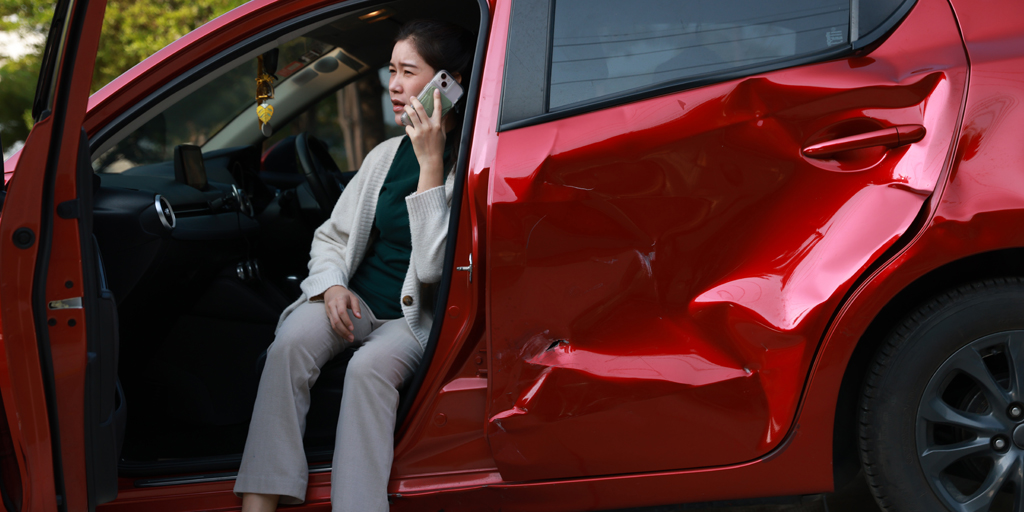
For most people, auto insurance is a legal requirement. But the minimum coverage required by law is rarely enough to fully protect the driver— and understanding what each piece does (and doesn’t do) can prevent a costly surprise after an accident.
With the exception of New Hampshire, every state requires drivers to carry liability insurance. This covers injuries and property damage the insured driver causes to others if the driver is at fault in an accident. It is not, however, designed to protect the driver or their vehicle.
Several states go further by requiring Personal Injury Protection, or PIP. This coverage pays for the insured driver’s medical expenses after an accident, regardless of who was at fault. It can also help replace lost income or cover costs like childcare if the injuries keep the driver from his/her normal routine.
Even if the driver does everything right, they may still be exposed. If another driver causes an accident and has no insurance — or not enough — the driver could be left paying for damages out of pocket. That’s where Uninsured and Underinsured Motorist coverage comes in. It’s mandatory in about half of all states, but even where it isn’t, it’s worth serious consideration.
None of those coverages, though, will pay to repair the driver’s own car if the driver is at fault or finds themselves in an unfortunate situation. For that, a driver needs collision coverage, which pays for damage to the vehicle when it hits another car or object. And for everything else — theft, fire, flood, vandalism, or an unexpected encounter with a deer—comprehensive coverage fills the gap.
If the driver is financing the vehicle, the lender will likely require both collision and comprehensive coverage. It’s also worth asking about gap insurance, which covers the difference between what the driver owes on the loan and what the car is actually worth at the time of a total loss—a gap that can be surprisingly large in the early years of a loan.
One area many drivers overlook: those who use a personal vehicle for ridesharing or delivery services should know that the personal policy likely won’t cover accidents that occur while working. Endorsements are available to bridge that gap, but they needed to be added in advance.
Umbrella

Standard homeowners and auto policies have limits. If you are ever sued — whether from a serious car accident, an injury on your property, or even an accusation of defamation—those limits can be reached faster than you might expect. Legal defense alone can be expensive, before any settlement or judgment is even considered.
A personal umbrella policy picks up where the other coverage leaves off. It extends the liability protection beyond the limits of the existing policies, covering things like bodily injury, property damage, and personal injury claims. It also covers situations the other policies may not address at all, such as libel, slander, or false arrest.
It’s worth understanding what it doesn’t cover: damage to your own property or vehicle, and punitive damages, are typically excluded.
For people with significant assets—a home, investments, savings built over years— umbrella coverage offers meaningful peace of mind at a relatively modest cost. The question isn’t just whether you can afford it, but whether you can afford to go without it.
Mortgage Guaranty

If you are buying a home with less than 20% down, the lender will likely require Private Mortgage Insurance (PMI). It’s important to understand what this coverage actually is: it protects the lender, not the policyholder. If the policyholder stops making payments, the insurer reimburses the lender—not the policyholder—for the loss.
That said, PMI makes mortgages accessible to buyers who haven’t yet saved a large down payment. Without it, many people would face much higher barriers to homeownership.
The good news is that PMI isn’t permanent. Once the loan balance reaches 78% of the original purchase price, the lender is legally required to cancel it automatically. Knowing that threshold—and tracking progress toward it—is worth the attention.
Travel

A sudden illness, a delayed flight, or a bag that never arrives can turn a long-awaited trip into an expensive ordeal. These are some of the problems travel insurance is designed to solve.
Most standard policies cover trip cancellation or interruption when something serious and unexpected forces the traveler to change plans, along with lost or delayed baggage and travel delays that require unplanned expenses like hotels or meals. Medical coverage while abroad is another critical component—most U.S. health plans offer little to no coverage outside the country, and emergency care in a foreign hospital can be expensive.
If the traveler wants maximum flexibility, Cancel For Any Reason (CFAR) coverage allows the traveler to cancel a trip and receive a partial refund—typically between 50 and 75 percent—regardless of the reason. It costs more and comes with eligibility requirements, but it removes the guesswork about whether the reason will qualify.
As with other types of insurance, consumers need to understand the exclusions. Preexisting health conditions, pandemics, civil unrest at a destination, pregnancy, and certain high-risk activities are commonly excluded. Reading those details beforehand makes the coverage worth having.
Pet Insurance

Veterinary care has become sophisticated and expensive. A serious diagnosis or emergency surgery for a pet can easily cost thousands of dollars.
Pet insurance coverage typically comes in a few tiers. Accident-only plans cover injuries from unexpected events. Accident and illness plans extend that protection to diseases and conditions that develop over time. Wellness plans can add routine care—vaccinations, checkups, and preventive treatments—into the mix.
As with human health insurance, there are important limitations. Most preexisting conditions are excluded, as are hereditary or congenital conditions in many policies. Insurers generally won’t cover pets above a certain age, and there are often waiting periods before coverage takes effect. Understanding these terms before a problem arises is essential.
When comparing plans, pay close attention to how reimbursements are calculated—some policies pay based on a fixed benefit schedule, others reimburse a percentage of the actual vet bill—as well as the deductibles, coverage limits, and what’s excluded at each tier.
Catastrophe Insurance
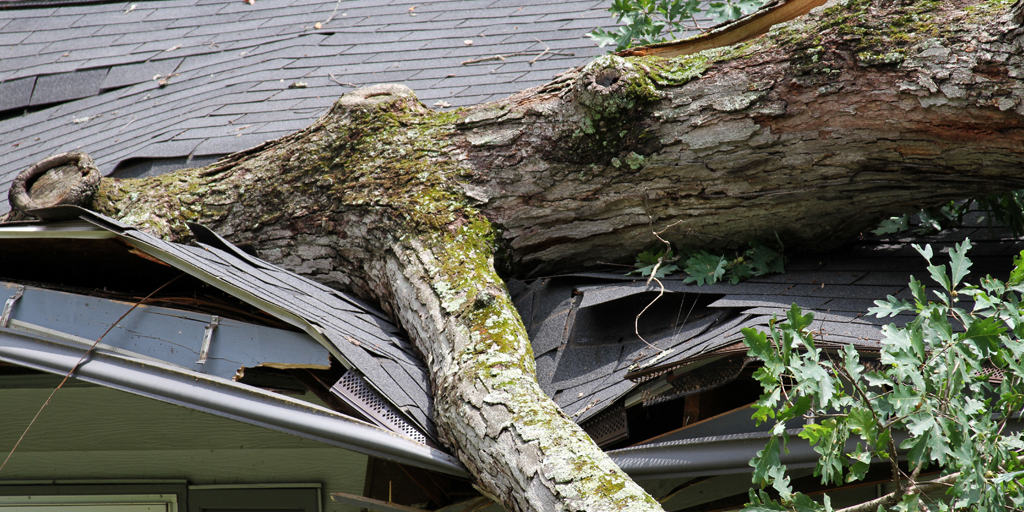
Flooding and earthquakes are among the most destructive events a homeowner can face. They are also, in most cases, not covered by a standard homeowners policy. For residents in high-risk areas, this gap matters.
Flood insurance is available through the National Flood Insurance Program (NFIP), administered by FEMA. If a resident’s home is in a designated high-risk flood zone, flood insurance is required if the mortgage is government-backed. But even homeowners outside those zones are exposed: Floods don’t follow maps precisely, and even modest flooding can cause serious damage. Many FEMA flood maps also may not fully reflect current flood risk. In some communities, maps have not kept pace with development, heavy rainfall, and other changing conditions that can increase flood exposure, meaning some properties face greater risk than the maps indicate.
In California, earthquake insurance is primarily available through the California Earthquake Authority (CEA). It can be purchased through the same insurer that holds one’s homeowners policy, and the dwelling coverage limits are tied to those in the existing policy. Deductibles tend to be higher than those in standard homeowners policies—typically between 5% and 25%—which is worth factoring into planning.
One newer option worth understanding is parametric insurance. Rather than reimbursing actual losses, a parametric policy pays a preset amount when a defined event occurs — a flood that reaches a certain level, or an earthquake above a certain magnitude. Premiums can be more affordable and claims are simpler to process. But if the actual losses exceed the payout, the difference is on the insured. It’s a trade-off that requires a clear understanding of both the product and one’s own risk exposure.
Personal Cyber Insurance

Scams, identity theft, ransomware, and fraud have become genuinely common experiences, and standard homeowners policies rarely cover the financial fallout.
A personal cyber policy is designed to close that gap. If someone locks your devices and demands payment, steals your identity, tricks you into transferring money through a phishing scheme, or hijacks your phone number to bypass the bank’s security, this coverage can help you recover both financially and practically — often including professional assistance to restore your accounts and identity.
Some policies even extend to cyberbullying, providing resources and support for the emotional and financial toll that harassment can bring.
Like other insurance, cyber coverage comes with limits and exclusions, and the details vary meaningfully from one policy to another. It may be available as an endorsement on the existing homeowners policy or as a standalone product. As more of daily life moves online —banking, healthcare, communication, financial accounts—the question of whether you need this protection is becoming less hypothetical for more people.
Actuaries: The People Behind the Policy
When you sign up for insurance, you’re probably thinking about the agent who sold it, the company whose name is on the card, or the claims rep you’ll call if something goes wrong. You’re probably not thinking about actuaries—but they’re the ones who helped build what you’re holding.
Actuaries are specialists in risk — specifically, in measuring it, pricing it, and figuring out how to make financial promises about it that can actually be kept. In property and casualty, that work touches almost everything about how a policy is designed and what it costs.
Before an insurer can sell you a homeowners or auto policy, actuaries use decades of claims data and statistical models to answer questions like: How often do houses in this ZIP code catch fire? How does that change if the home is older, or closer to a wildfire zone? If a major hurricane hits, how many claims will come in at once, and how large will they be? What does a typical fender-bender cost to settle, and how has that changed over the past five years?
That analysis is what determines your premium. It also determines your deductible options, the coverage limits the insurer is willing to offer, and which perils get excluded. When flood damage isn’t covered by a standard homeowners policy, or when hurricane deductibles are higher than regular ones, those are the result of actuarial work showing that the math doesn’t hold up any other way.
Actuaries also work on the reserving side of the business—estimating how much money an insurer needs to set aside today to pay claims that haven’t been fully settled yet. A serious liability claim can take years to wind through the legal system, and actuaries make defensible estimates of what those claims will ultimately cost. That work keeps insurance companies solvent enough to pay your claim when the time comes.
Actuaries are also involved in emerging and harder-to-price risks—cyber threats, climate-driven catastrophes, the growing unpredictability of liability verdicts—areas where the data is still catching up to the risk.
Zora Law, MAAA, FCAS, FIA C.Act, is a lead actuary at Airbnb.
Academy Resources
The Academy’s Casualty Practice Council (CPC) covers a wide range of P&C areas from flood and catastrophe insurance to auto coverage to cyber risk. Here are some resources:
The Cyber Risk Toolkit is a series of papers addressing issues in cyber risk insurance and cyber exposure.
The Extreme Events section covers floods, earthquakes, other natural catastrophes, terrorist events, and mass torts.
The Risk Classification resources address the use of risk-based insurance scoring in auto and other lines.
The CPC page also includes issue briefs, policy papers, comment letters, and research on emerging P&C topics.